






Known for its signature projects in cities around the world, Pembrooke & Ives is today one of the strongest representatives of luxury interior design. The brand stands out for its attention to detail and the balance it strikes between functionality and aesthetics, designing not just spaces but lifestyles. In our interview with Francis Nicdao, Director and Creative Director of Pembrooke & Ives, we discussed the brand’s founding story, its inspiration, design philosophy, and the role of natural stone in spaces. As Nicdao emphasized, “Elegant design has the power to change lives.” This approach lies at the heart of Pembrooke & Ives’ vision to design not just aesthetically pleasing spaces, but also experiences that add value to the lives of those who inhabit them.
Could you share with us the founding story of Pembrooke & Ives?
London-born Andrew Sheinman arrived in New York in the early 1980s, bringing with him a background in high-end men’s fashion and a deep appreciation for craftsmanship. After forays into retail and upholstery, he discovered his true calling in interior design. In 1987, he founded Pembrooke & Ives, a modest studio built on the belief that luxury is not just about aesthetics but about detail, function, and the way people live.
Over the decades, the firm has grown into an award-winning studio renowned for its elegant, collaborative approach. From private residences to landmark amenity spaces and hospitality projects, Pembrooke & Ives delivers interiors that balance beauty with daily life. With a culture as close-knit as a boutique atelier yet capable of extraordinary scale, the firm continues to shape not just spaces but the experiences of those who live in them.
Today, your firm has completed numerous projects across different regions of the world. In your opinion, what is the most important factor behind this success?
As a firm, we are not beholden to one particular style but instead apply our principles of quality, style and longevity across any project or client. This adaptability and client-centric approach has opened doors for us in all different corners of the world. We are also fortunate that many of our clients have multiple homes around the world, so we have to opportunity to work with them in multiple locales.
Your motto, “Elegant design has the power to change lives” what does it mean to you?
This motto speaks to the belief that the spaces we inhabit shape how we feel, how we interact, and even how we move through daily life. A well-appointed interior does more than look beautiful—it creates a sense of ease, inspiration, and comfort that supports the way people live. When a space is thoughtfully designed, every detail works in harmony to elevate not only the environment but also the experience of those within it. That’s the transformative power of design: it has the ability to influence mood, encourage connection, and bring a sense of balance and joy to everyday living.
When selecting marble for a project, how do you strike a balance between aesthetics, durability, and functionality?
Finding the right durability for the stone is the starting point when making a material selection. With improved sealers and laminating options, there are more options available to our clients than ever. From here, we can focus on the aesthetics. Stone can add striking color and texture to any space or can be more subtle and act as a backdrop for other design elements. These are important considerations in the choosing the right material.
Which project was the one where you used marble most extensively? Could you share how marble transformed the spirit of that space?
We designed a private residence in Aspen where stone played a key role in the design of each space. In each room, the stone selection set the tone of the room, whether more dark and moody for the kitchen, lighter and more subdued for the primary suite, or a textured stone finish for an elevated living room. Though no room in the home is the same, stone is the unifying feature throughout.
What kind of creative opportunities do marble’s natural veining, texture, and color variety offer you in design?
There is so much opportunity with a stone material for creativity. The natural veining can be celebrated as a unique texture in and of itself, or one can play with book-matching or marquetry to create more elaborate patterns. The color of a stone can sometimes be the jumping off point for the entire room.
Turkey is one of the world’s largest marble producers. Have you ever used Turkish marble or natural stone in your projects? If so, which features stood out?
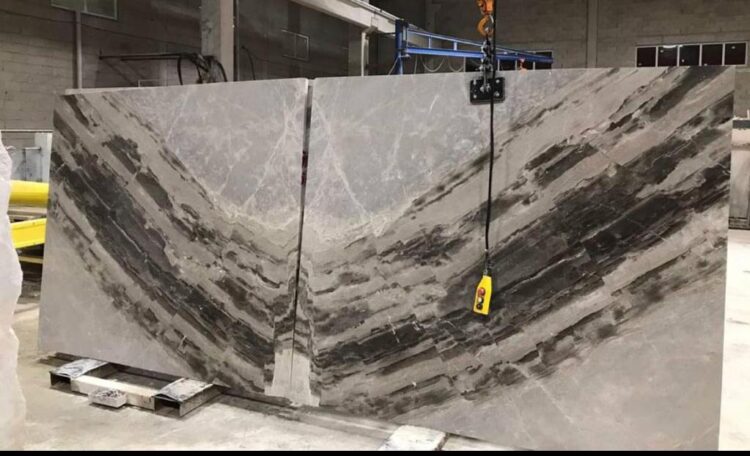
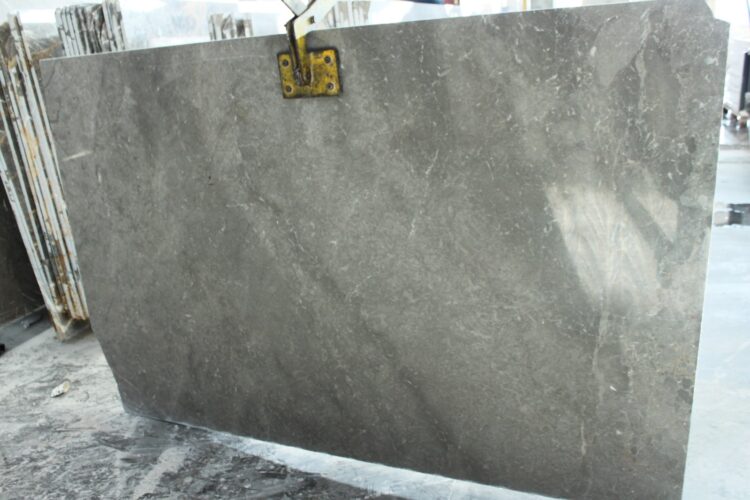
There is a wide and versatile range of Turkish stone on the market. We particularly love to use the more natural and neutral colors which have wider appeal and are both timeless and sophisticated, such as Tundra Gray. These marbles are also wonderful for designing product and find their way into tabletops and other custom pieces that we design for our clients.
How do you see the role of natural stone, especially marble, evolving in interior design in the coming years?
Marble has always played an important role in shaping designs and transforming interiors. As technology and fabrication techniques continue to advance, so too will the applications, forms and types of stones we can use in the interior. This is an exciting prospect




 +90 532 585 51 95
 +90 532 585 51 95