





The City Gate, Valletta’s iconic entrance point, was given a modern identity in 2014 with a comprehensive redevelopment project that breathed new life into Malta’s historic capital, both physically and symbolically. Designed by world-renowned Italian architect Renzo Piano, this project is not merely a gateway design; it is a multi-layered architectural intervention that includes the repurposing of the walls, moat, Parliament building, and remnants of the old opera house.
The focal point of the project, the new City Gate, redefines the bridge, which had been expanded numerous times over the years, losing both its function and its original proportions, by adhering to the original design of military engineer Dingli from 1633. This allows visitors to experience the feeling of crossing a real bridge, while the dramatic effect of the moat and walls is once again made visible. The new city gate consists of a simple opening just 8 meters wide, completely devoid of ornamentation. The simplicity of the architectural language reinforces the timeless presence of the structure, while steel sections placed between massive limestone blocks define a strong boundary between the past and the present. The form of the gate rejects the traditional concept of a monumental gate, presenting itself as a sharp and decisive slit cut into a wall.
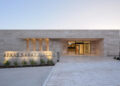
The Parliament building, another important part of the project, offers a unique design that exemplifies the combination of modern construction technologies and natural stone. The building consists of two stone blocks raised above the ground, and the open courtyard between these blocks plays a central role in terms of both light transmission and establishing a relationship with the surroundings. The Maltese local Globigerina limestone used on the building’s facades has been three-dimensionally machined using CNC machines. This special stone facade system filters sunlight, allowing natural light to enter the interior in a controlled manner while maintaining the building’s visual connection with its surroundings. Traditional stone is thus redefined as both an aesthetic and performative material in contemporary architecture.
Behind the gate, in the area that once housed Malta’s grand opera house, a new open-air theater has been created. This space has been designed in a state of silence that preserves history while making the ghosts of the past visible. The new theater “machine,” built on the remains of the opera house, preserves the memory of the past with its lightweight structure while restoring its cultural function.
The Valletta City Gate Project represents a holistic urban design approach that respects the historical fabric while centering a contemporary architectural vision. This project, where local stone is combined with modern construction techniques and architecture speaks in a language that is understated yet powerful, stands out as a balanced and respectful bridge between the legacy of the past and the needs of the present. Thanks to Renzo Piano’s simple yet meaningful design, the City Gate is not merely an entrance to Valletta but a architectural manifesto carved in stone.



 +90 532 585 51 95
 +90 532 585 51 95