





Viewing architecture not merely as a technical drawing process but as a deep dialogue with the nature of materials, Grizzo Arquitectos blends Argentina’s deep-rooted building traditions with a modern “studio-workshop” philosophy. Based in Buenos Aires, the office prioritizes craftsmanship and material experimentation at every stage of design, creating not just buildings, but living spaces with powerful atmospheres. We interviewed with the founder who place the permanence and texture of natural stone at the heart of their work, covering everything from Argentine architectural culture to their “laboratory” approach during construction, and from the use of local materials to the sustainable architecture of the future.
Could you introduce yourselves to our readers? How did Grizzo Arquitectos come into being?
Grizzo Arquitectos is a studio based in Buenos Aires, Argentina, working across architecture, interior design and development. The practice emerged from a desire to build projects where design, construction and material experimentation could coexist closely.
From the beginning, we were interested in working at multiple scales—from houses to restaurants and residential developments—always maintaining a direct relationship with materials and the construction process. Our work often moves between urban contexts and more natural environments, which allows us to explore how architecture can respond to different landscapes, climates and cultural conditions.
Rather than pursuing a fixed stylistic language, the studio focuses on creating spaces with strong atmospheres, where light, texture and material presence shape the experience of architecture.
What does the “studio–workshop” approach mean to you?
For us, the idea of a “studio–workshop” reflects a way of working that is closer to craftsmanship than to purely theoretical design.
Architecture does not end in drawings. It continues through prototypes, construction details, material tests and constant dialogue with builders and artisans. Many of our ideas emerge from these exchanges.
This approach also allows us to treat materials not only as finishes but as structural and spatial elements. We like to understand how something is made, how it ages, and how it can be assembled with simplicity and intelligence.
In that sense, the studio works almost like a laboratory where design and construction evolve together.
How would you describe Argentina’s architectural culture and building tradition?
Argentina has a very rich and diverse architectural culture shaped by migration, geography and economic cycles.
There is a strong modernist tradition influenced by European ideas, but at the same time there is also a powerful culture of experimentation and adaptation. Because resources are often limited, architects frequently develop creative solutions with simple materials.
In many regions of the country, architecture is closely linked to the landscape and climate—from the stone constructions of the northwest to the timber structures of Patagonia.
This diversity creates a culture where architecture often oscillates between technical precision and a more intuitive, almost handcrafted approach to building.
How do local context and everyday life influence your projects?
Context for us is not only physical—it is also cultural and emotional.
We pay attention to how people inhabit spaces, how they gather, cook, rest or move through their homes. These everyday rituals often become the starting point for spatial decisions.
At the same time, the landscape, the available materials and the local construction techniques strongly influence our work. We try to build projects that feel rooted in their environment rather than imposed on it.
The goal is always to create spaces that feel natural and intuitive for those who inhabit them.
What questions do you usually start with when beginning a new project?
Every project begins with a series of questions rather than formal ideas.
We try to understand what kind of atmosphere the project should create. How should the space feel? Where does the light come from? How will people move through it?
Another important question is how the building meets the ground and the surrounding landscape. The relationship between architecture and terrain often defines the entire project.
And finally, we ask what materials can express the character of the place in the most honest way.
What criteria most strongly guide your material choices?
Material selection is guided by three main factors: availability, atmosphere and aging.
We prefer materials that belong to the region where the project is built or that can be sourced locally. This reduces complexity but also creates a stronger connection with the place.
We also think a lot about the sensory qualities of materials—their texture, weight, color and the way they reflect light.
Finally, we value materials that age well and gain character over time. Architecture should not only look good on the day it is finished; it should become richer as it is inhabited.
What is your approach to working with local stone?
Stone is a fascinating material because it carries a sense of permanence and geological time.
When we work with stone, we try to respect its inherent logic rather than forcing it into overly artificial shapes. The way it is cut, stacked or placed often determines the architectural language.
We are particularly interested in combining stone with other materials like concrete, wood or metal in ways that highlight the contrast between natural and industrial elements.
What kind of tradition exists in Argentina regarding the use of natural stone and marble?
The use of stone in Argentina varies greatly depending on the region.
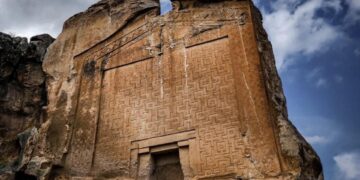
In the northwest, stone has been used for centuries in both indigenous and colonial architecture. In other regions, particularly in cities, marble and stone were introduced through European influence during the late nineteenth and early twentieth centuries.
Today, natural stone appears both in contemporary architecture and in restoration projects. There is growing interest in rediscovering local materials and using them in more experimental ways.
When and under what conditions do you choose to use natural stone in your projects?
We usually choose natural stone when the project requires a strong relationship with the landscape or when we want the building to feel deeply anchored to the ground.
Stone is particularly powerful in projects located in natural environments—mountains, forests or coastal areas—because it creates a dialogue with the surrounding geology.
At the same time, it can also work beautifully in urban contexts when used with precision and restraint.
Which types of stone or marble have you worked with so far?
Our projects have incorporated different types of stone depending on location and availability.
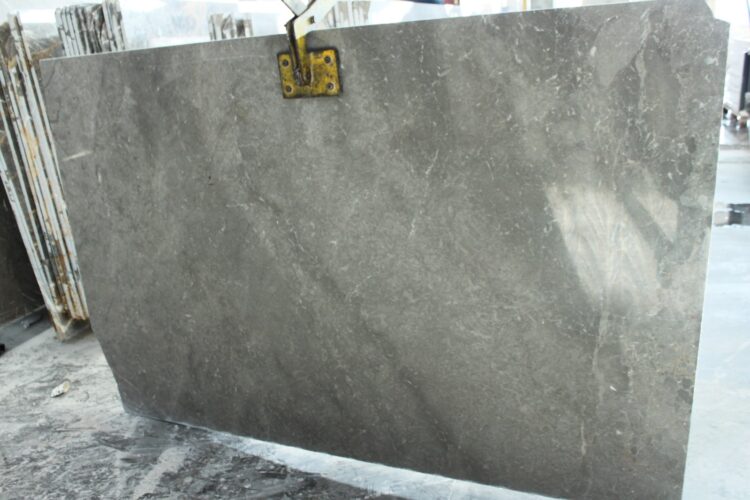
We have worked with regional stones in several residential projects, as well as different marbles and granites used in interior applications such as kitchens, bathrooms and public spaces.
Each material brings its own visual language and technical challenges, which is part of what makes working with stone so interesting.
How do the texture, veining, and natural imperfections of stone influence your design process?
The natural irregularities of stone are not flaws—they are often the most expressive aspect of the material.
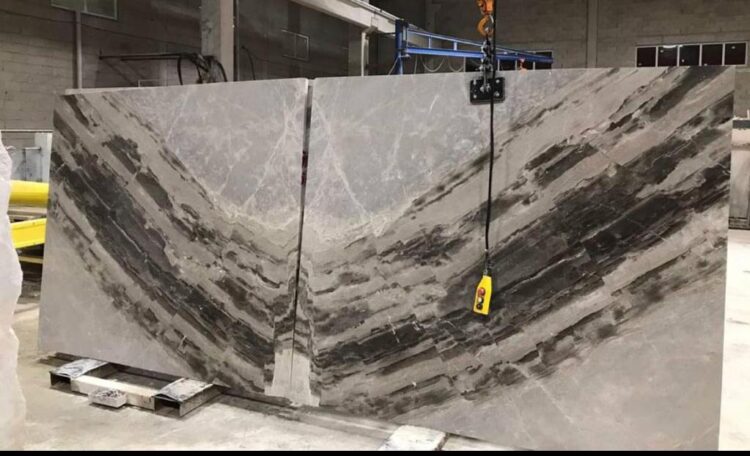
Texture, veining and variation introduce a level of unpredictability that enriches the architectural composition. Rather than trying to control these characteristics too strictly, we prefer to design in ways that allow them to appear naturally.
This creates spaces that feel more tactile, more human and less standardized.
How do you see the role of natural stone in the architecture of the future?
Natural stone has an interesting future because it combines durability, sustainability and beauty.
Unlike many synthetic materials, stone does not require complex industrial processing and it can last for centuries. In that sense, it represents a more responsible way of building.
We believe future architecture will increasingly look toward materials that have long life cycles and strong connections to the earth—and stone fits perfectly within that vision.
What is the most important advice you would give to young designers, architects, and professionals in the field?
The most important advice would be to remain curious and patient.
Architecture is a discipline that takes time to mature. Young architects should spend time understanding materials, construction processes and the realities of building.
Travel, observe how people inhabit spaces, and learn from craftsmen and builders. Many of the most valuable lessons in architecture do not come from drawings but from the act of building itself.
And perhaps most importantly: try to develop a personal way of seeing the world, because architecture ultimately reflects how we interpret our surroundings.




 +90 532 585 51 95
 +90 532 585 51 95