






French designer Anthony Guerrée envisions furniture not merely as functional objects but as narrative tools. With forms that nod to sculpture, an emotional language nourished by literature, and a profound collaboration with artisans, he blends traces of the past with today’s bold aesthetics in his designs. Guerrée reinterprets materials like marble and natural stone—we spoke with him about his design approach, the inspiration behind his Fragments project, and the storytelling power of materials.
Who is Anthony Guerrée? Could you describe yourself and your designs in three words that best reflect your identity?
I would say sensitive, sculptural, and narrative. My work is about creating objects that tell stories, that evoke emotions, and that reveal the beauty of materials through bold, simple forms.
We often see bold and sculptural forms in your designs. What are the main elements that influence this aesthetic approach?
I’m very inspired by the relationship between sculpture and function. I like to think of furniture as inhabitable sculptures : objects that shape the space around them and invite interaction. Nature, architecture, and the history of decorative arts deeply inform my vocabulary.
Your first collection, The Chairs of Lost Time, is inspired by Marcel Proust’s novel. How does literature shape your creative process?
Literature feeds my imagination. When I read, I create mental images, atmospheres, textures and these sometimes turn into objects. The Chairs of Lost Time was a way to pay tribute to Proust’s world, by translating the personalities of his characters into chair designs. It’s not about illustration, but about capturing an emotional tone, a tempo, a presence.
How does the perspective of a craftsman enrich your own design perspective throughout the creative process?
For me, dialogue with craftsmen is essential. They reveal the potential of a material and often suggest possibilities I wouldn’t imagine on my own. Working closely with workshops like Les Marbreries de la Seine on my Fragments project has been especially meaningful. By using offcuts and remnants of marble, we turn what was meant to be discarded into something precious and unique. It’s a process that relies on intuition, hands on expertise, and respect for the material.
Your admiration for the interior design of the 1930s how does this influence your furniture and material choices?
The 1930s were a period of incredible creativity and elegance. Designers like Jean-Michel Frank or Robert Mallet-Stevens knew how to balance minimalism with richness, often combining precious materials in very subtle ways. I admire their restraint, their sense of proportion, and their tactile approach to materials.
We know that you place great importance on natural materials in your furniture designs. What role does natural stone or marble play in your creations?
Marble, and natural stone in general, brings a sense of permanence and nobility to a piece. It’s a material charged with history and individuality. In my Fragments project, marble is central, as I give new life to discarded fragments, turning them into sculptural furniture. I also integrated marble details into my Orbe sofa for La Chance, using marble as functional elements. It’s about creating contrast: soft upholstery meets the dense presence of stone.
When working with a solid and enduring material like natural stone, how do you balance form with a sense of lightness?
I like to treat stone as a fragment or a punctuation within the design, never overwhelming. In Fragments, the irregular shapes of marble pieces guide the overall composition. It’s about embracing the voids, the negative spaces, and finding equilibrium between solid and empty, weight and air.
In your opinion, what kind of value does natural stone add to contemporary furniture design? From a sustainability or aesthetic perspective, what are its main advantages?
From an aesthetic perspective, natural stone offers timelessness and uniqueness. Its veins, colors, and textures make each object singular. From a sustainability perspective, I believe in working with what already exists. In Fragments, using leftover marble fragments avoids waste and transforms forgotten pieces into durable, valuable objects. Stone is a material made to last, both physically and emotionally.
Have you had the opportunity to work with different types of stone? Which types of stone excite you the most in terms of your design language?
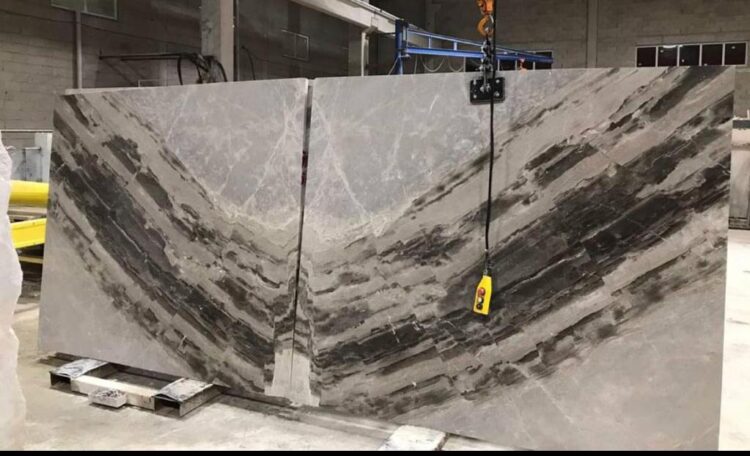
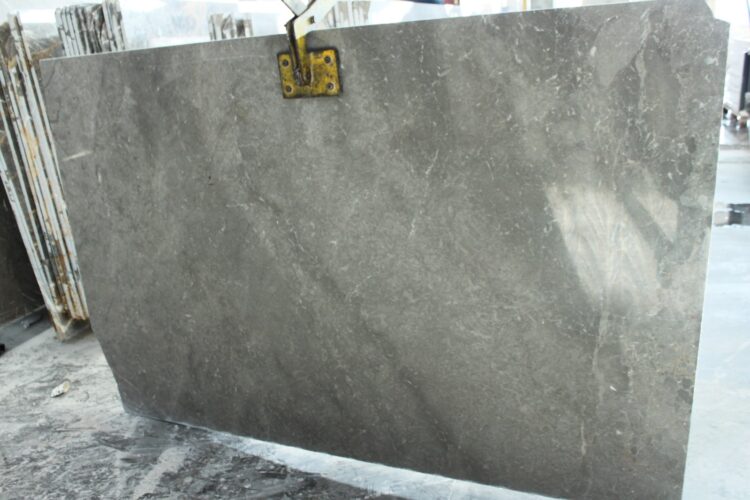
Yes, through Les Marbreries de la Seine, I’ve worked with many varieties of marble and stone: Sequoia brown, Saint Laurent, travertine … Each has its own language, its own personality. They act like abstract paintings and give the object an expressive character that can’t be replicated.
Are you considering any future projects that center around natural stone or marble?
Absolutely. The Fragments project continues to evolve, and I see endless possibilities in combining marble fragments with other natural materials like wood or bronze. I also want to explore how stone can be used in even lighter, more surprising ways perhaps in lighting…




 +90 532 585 51 95
 +90 532 585 51 95