



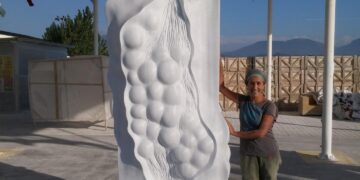

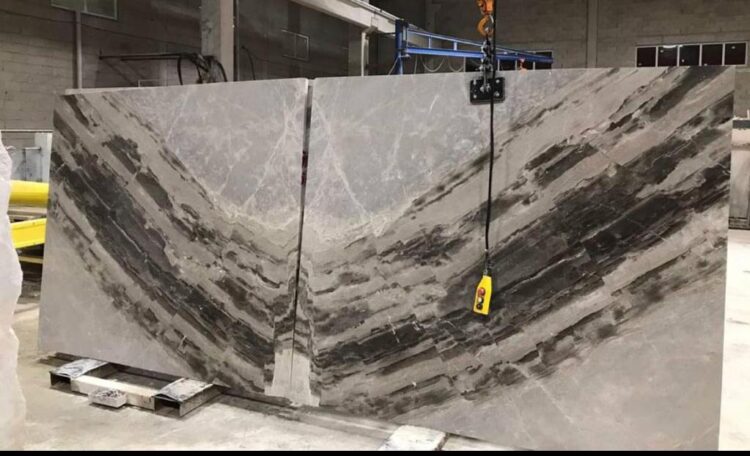
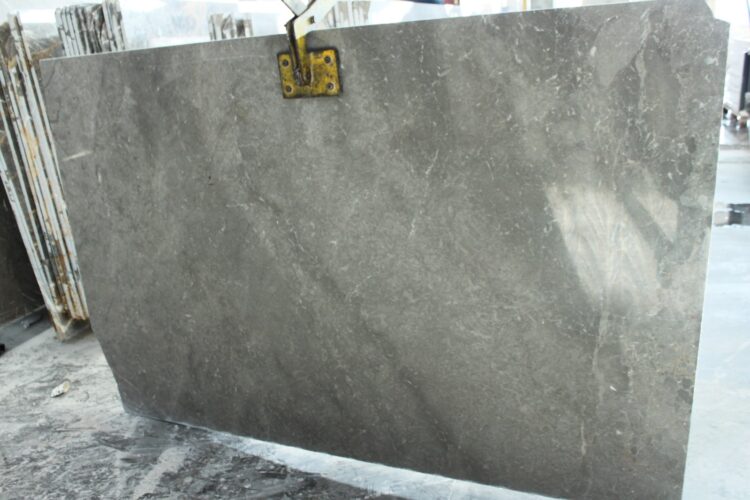


Founded on the philosophy of “I can do this better,” Riva Interior Architecture continues to make a name for itself in the construction and design world with ambitious projects. One of the studio’s young and successful architects, Aslı Gürcan, approaches design not merely as the art of arranging spaces but as a responsibility that shapes people’s lives. Moving beyond trends and starting with a client-focused analysis process, Gürcan skillfully integrates the unique textures of marble and the richness of Turkey’s natural stone resources into her modern projects. We spoke with Aslı Gürcan about the founding story of Riva Interior Architecture, the indispensable role of natural stone in interiors, and the nuances of the profession—from restaurant projects in the UK to innovative office designs powered by solar energy.
First of all, could you briefly introduce yourself and Riva Interior Architecture? How did the studio begin?
My name is Aslı Gürcan, and I am an architect. I graduated from Yozgat Bozok University as the second-ranked student in my department, and I truly enjoy what I do. I joined Riva Interior Architecture in 2022, and since then I have actively taken part in every project we have undertaken.
The founding of Riva Interior Architecture actually stems from the idea, “I can do this much better.” Our founder already had experience in the construction sector. Before our current office building was constructed, a turnkey proposal had been received from a construction company. However, when the proposal was examined carefully, it was clear that the content was not very sound. At that point, our founder said, “I can do this better,” and established Riva Interior Architecture. With his own team, he built the office where we work today, and since then we have continued our journey with ambitious projects in the construction industry.
How would you define Riva Interior Architecture’s design philosophy? What distinguishes your studio from others?
I believe the key element that sets us apart in our designs is our client-focused approach. When developing our projects, we do not impose predefined styles based solely on the location or type of space, nor do we simply follow what is currently “trendy.”
Instead, we begin by carefully analyzing exactly what the client wants and then develop a unique design language tailored specifically to them. Of course, our own signature can be felt in our designs; however, we measure true success by the sincere smiles and gratitude of our clients.
How does your project development process progress? Which stage excites you the most?
Although the steps may appear complex, our system is actually very clear:
Analysis – Project Development – 3D Modeling – Implementation – Delivery.
At every stage, we examine each detail meticulously together with our team of specialists. The stage that excites me the most is definitely the design development phase. Combining the information we receive from the client with my own vision. Selecting materials, placing them, and creating harmony is incredibly enjoyable for me.
However, this enjoyment also brings great responsibility. People shape their lives within the spaces I design. This perspective strengthens my commitment to my profession every single day.
How do you evaluate current interior design trends? Do they influence your projects?
I am particularly happy to see the return of dark and rich color palettes. While I appreciate calming pastel tones and Scandinavian style, the human eye eventually seeks a strong focal element.
Recently, colors such as terracotta tones, deep olive greens, and especially plum and purple shades have been gaining attention. In my opinion, these colors add excellent depth to interiors.
Of course, trends influence my designs to some extent. While shaping the concept according to the client profile, I try to blend current trends with my own design touches.
How do you approach the use of natural materials in your projects? What do marble and natural stone represent for you?
If I want to convey quality and elevate living standards in a project, the first material I turn to is marble. The endless combinations of patterns and colors it offers, especially in flooring applications, are incredibly exciting for me.
When we also consider the psychological and physical benefits of natural materials for people, it becomes even more important for me to incorporate them into my projects.
What can you say about the aesthetic and functional value natural stone adds to spaces?
I find the concept of uniqueness particularly valuable. Every natural stone slab has its own distinctive vein structure and color transitions. This ensures that the designed space is truly one of a kind in the world, offering users a personalized and luxurious experience.
At the same time, natural stone is a timeless material that never goes out of style, which makes it even more appealing.
How do you evaluate Turkey’s natural stone diversity from a design perspective? Do you use local stones in your projects?
Using local materials is an excellent opportunity both for sustainability and for reflecting the ethnic spirit of a project. It is also a strategic move for our national economy.
For this reason, our first preference in projects is always domestic products. To be honest, in my recent projects I frequently focus on materials such as Afyon White marble, travertines, and Elazığ Cherry marble. They offer wonderful possibilities in terms of color and combinations.
Is there a project in your career that you consider unforgettable or a turning point?
I would say the “Yaprak Restaurant” project in the United Kingdom. Not only was it my first restaurant project, but it was also one of the projects where I had the most design freedom.
Because the space required multiple functional areas and the creation of a strong brand identity, we were able to establish a perfect balance between durable and luxurious materials.
How do you see the relationship between architecture and interior architecture today?
Today, I believe a project remains incomplete if an interior architect only deals with “decoration” or an architect focuses solely on “mass design.”
Especially in professional practice, particularly in large-scale offices or public buildings, the “inside-out” approach, where interior architectural decisions shape the architectural form, is one of the key factors for success.
Are there any exciting new projects you are currently working on?
We are currently working on several enjoyable office projects. The one that excites me the most right now is a three-story office project in Çakırlar.
What makes this project special is that we were asked to integrate solar panel solutions both functionally and aesthetically into the interior and exterior spaces. I am eager to complete the design and see the final result of the building.
What advice would you give to young interior architects or those who want to pursue a career in this field?
In my opinion, the key to becoming a good architect or interior designer is being a good listener and being patient.
Whether the person you are communicating with is a colleague, an engineer from another discipline, or a client, when you fully understand their expectations, you can combine your abilities with those expectations and achieve successful results.
Technical knowledge, experience, and professional networks will naturally develop over time in your career. However, if you are not a good listener, these processes become much more difficult.
Patience is essential, because many long nights of work await you. But believe me, the sense of pride you feel when you successfully deliver a project makes it all worthwhile.




 +90 532 585 51 95
 +90 532 585 51 95