





The Bahá’í House of Worship in Delhi, also known as the Lotus Temple, attracts attention not only for its architectural grandeur but also for its durability and elegance, thanks to the natural stone used in its construction.
In the Bahá’í faith, temples are designed as places of worship open to all people. For this reason, the Lotus Temple was built in the shape of a lotus flower, a symbol reflecting purity and simplicity. Designed by Iranian architect Fariborz Sahba, the structure was inspired by traditional Indian architecture and the powerful place of the lotus flower among religious symbols.
Spanning 26.5 acres, the complex consists of a house of worship, a library, a conference hall, administrative units, and later-added information and education centers.
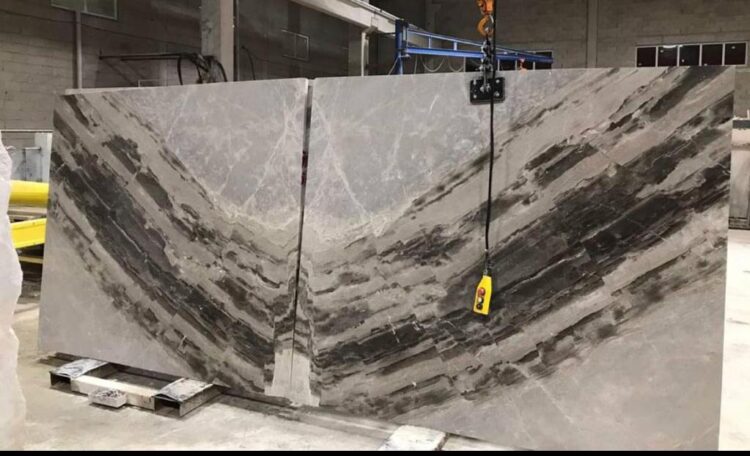
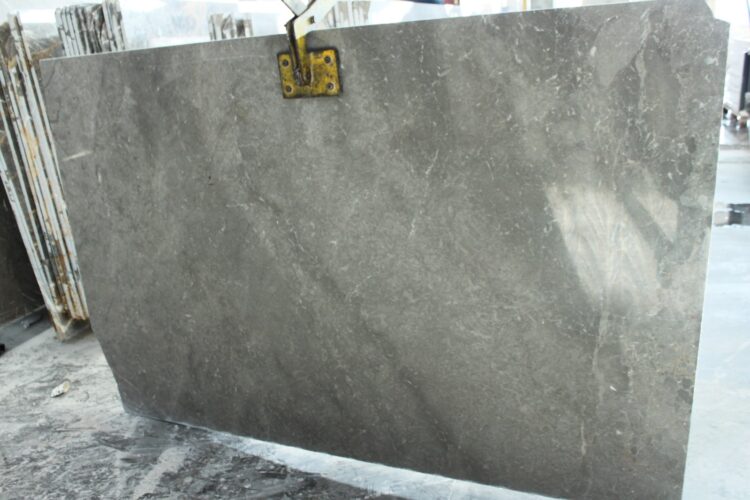
Undoubtedly, the most striking aspect of the structure is the natural stone used. Greek marble covering 10,000 square meters was chosen for the temple’s inner and outer shells. These marble slabs were carefully cut and processed in Italy before being mounted with specially designed stainless steel brackets and anchors. The smooth surface of the white marble reflects daylight at different angles, giving the temple a different atmosphere at every hour of the day.
Twenty-seven thin concrete shells, representing the lotus flower, are arranged in three layers. The outer leaves form the entrances, while the inner leaves create the main dome of the place of worship. The section left open at the very top of the structure is both a symbolic and functional design element. The glass and steel roof here provides protection from the rain and allows light to filter into the interior.
The visual impact of natural stone is reinforced by the temple’s surrounding landscape. Nine pools resembling lotus leaves contribute to the structure not only aesthetically but also through their natural cooling function. During summer months when external temperatures exceed 45 degrees Celsius, air channels from the pools help keep the interior cool.
With a capacity of 1,300 people, the Lotus Temple is open to everyone and contains no pulpit, icon, or symbol inside. This simplicity reflects the purity and unity that are fundamental principles of the Bahá’í concept of worship. Combined with the timeless beauty of marble, this simplicity makes the temple not only a place of worship but also one of the most iconic works of contemporary architecture.
The Lotus Temple maintains its place on the world stage as a unique example of architecture and spirituality coming together, showcasing the aesthetic and functional power of natural stone.



 +90 532 585 51 95
 +90 532 585 51 95