





Denizli travertine is a special type of natural stone formed when calcium bicarbonate-rich hydrothermal waters reach the earth’s surface and precipitate.
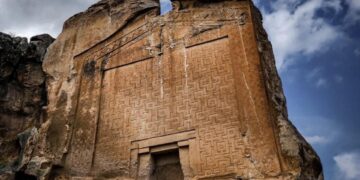
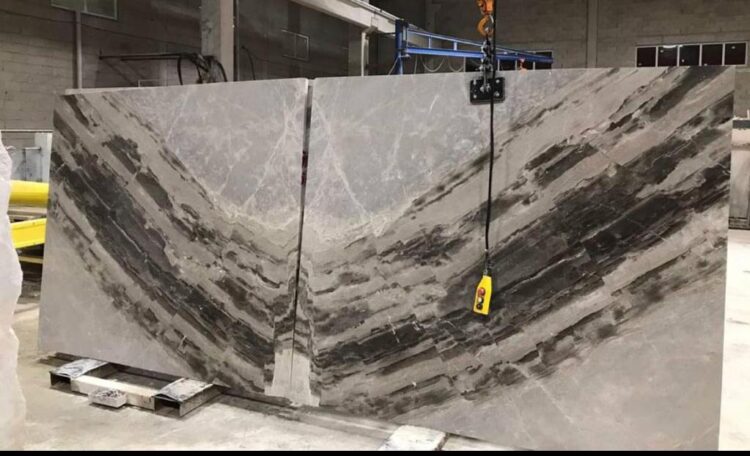
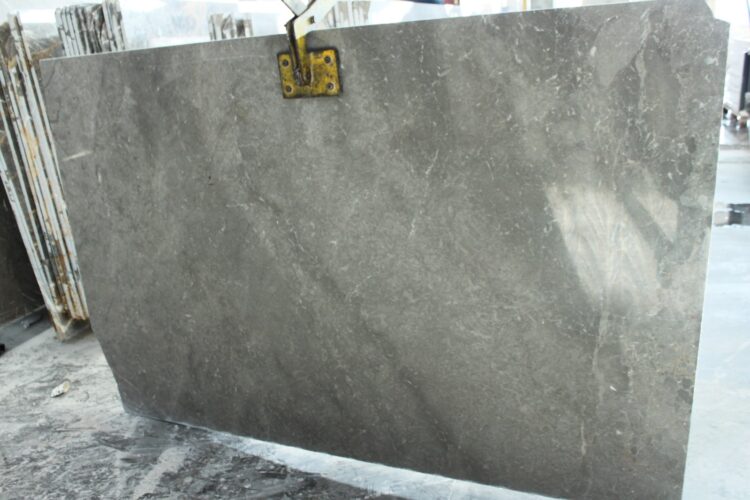
This stone, which is mined in various regions of western Turkey, including Ballık, Kocabaş, Gürlek, Karateke, Yenicekent, and Gölemezli, continues to form naturally today in Pamukkale, a UNESCO World Heritage Site. Denizli travertine, which can be easily distinguished from other travertines by its various shades of cream and brown, features linear structures called “waterways” and millimeter-sized voids in the sections perpendicular to the layering planes of the blocks. The onyx-like stones from the Gölemezli region catch the eye with their yellowish-green and honey colors, while the Yenicekent travertines have a darker character with reddish-brown tones. Denizli travertine, which stands out for its structure that does not contain plant remains and its high aesthetic value, was granted a geographical indication in 2008 and thus became a registered trademark, meaning that it can only be marketed under the name “Denizli Travertine” by authorized producers. Used since ancient times, this stone has been the primary building material in structures such as caravanserais and various public buildings in ancient cities like Hierapolis, Laodicea, and Tripolis during the Roman, Byzantine, and Seljuk periods. This valuable stone, which is being promoted internationally through the UNESCO-certified “Denizli Travertine Geopark” project, is not only used in prestigious projects in Turkey but also around the world. It has even been chosen for the home of Prince William and Duchess Kate Middleton of the British Royal Family, earning special recognition for its quality and aesthetic appeal. With its geological history, aesthetic appearance, and historical value, Denizli travertine is one of the most cherished symbols of both the natural stone industry and Turkey’s cultural heritage.



 +90 532 585 51 95
 +90 532 585 51 95