


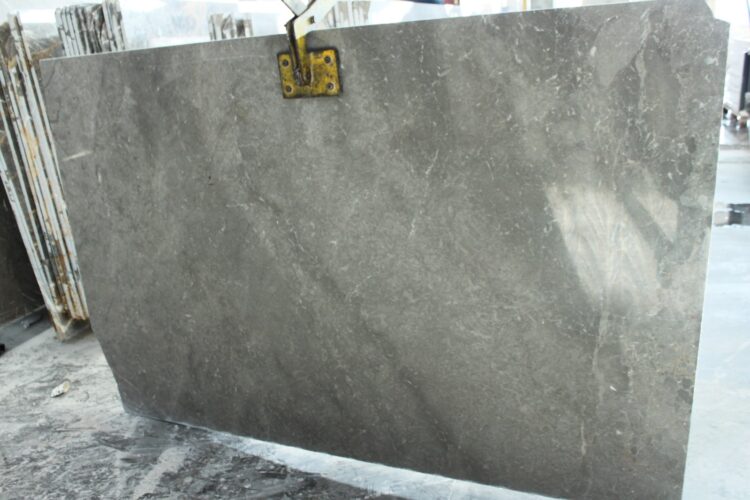


Founded in 2017 by Tommy Hyldahl and Kristian Sofus Hansen, 101 Copenhagen was established with the vision of pushing the boundaries between art and design to create innovative and functional pieces. The brand’s designs blend Japanese minimalist aesthetics with Scandinavian simplicity, leaving traces of elegance and originality in each piece. Made from high-quality materials like marble, the creations aim to craft timeless designs, with deep influences of Japanese aesthetics evident in every detail. 101 Copenhagen aims to continue combining art and functionality in the future, adopting a more experimental and sculptural approach to furniture and interior design.
How did 101 Copenhagen come about? What were your main sources of inspiration and goals when founding the brand?
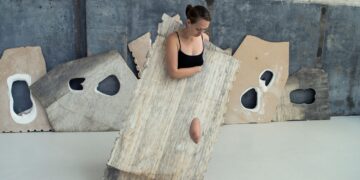
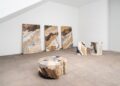
101 Copenhagen was founded in 2017 with the vision to create functional design with a clear sculptural expression. create functional designs with a distinct sculptural edge. We wanted to challenge the boundaries between design and art, blending the two in fresh, innovative ways. A sculpture can just as easily function as a stool, side table, or plinth, while a chandelier transforms into a striking ceiling sculpture when the light is off.
Experimentation and developing new materials from the ground up has also been a core part of our design philosophy. We want every material and surface to be ‘alive’, with depth and texture that bring a sense of movement and character. It’s about creating pieces where the material itself tells a story, adding richness to both form and function.
How do you blend Japanese minimalist aesthetics with Scandinavian design? What challenges do you face in achieving a balance between these two approaches?
We share the same passion for both the Japanese perfection and the Wabi-Sabi thought. The idea about repairing products and buildings for hundreds of years, due to the use of high quality materials and techniques. Scandinavian Design is known for a certain level of simplicity. But in our perspective Japanese design has always been able to add a certain detail, maybe just one detail, which makes simplicity interesting. Some of the Scandinavian Design classics tend to have a more heavy expression, compared to the often lighter Japanese furniture designs. We aim to combine these two by adding a certain detail to each design, which gives the simplicity a characteristic twist. We like to use the Japanese aesthetic to add a certain lightness to each design, even if the product actually looks heavy. Therefore you will find that many of our designs have an ambiguous expression, playing with light and silhouettes.
What elements do you prioritize in the process of creating timeless designs?
The way some experiments with materials in new ways and different combinations resonates a lot with us and what we are doing at the moment. Personally, we use the term ‘Umami’ to describe the perfect balance, when putting to opposites together to create a completely new expression. Like the balance between cold and warm, hard and soft, mat and shinny.
We know that material selection is crucial in your designs. What role does marble play in your collections? What factors do you pay the most attention to when incorporating marble into your designs?
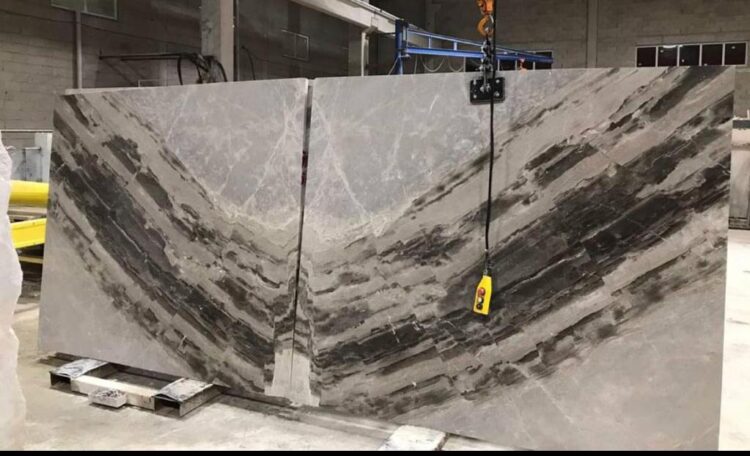
We always work with the term that a material must be ‘alive’, meaning the material needs to have a certain texture and depth, preferably changing from piece to piece. Marble is a unique stone with a wide selection of beautiful patterns and colors. I’ve chosen to work with a more monochrome color scheme, highlighting the pattern and beauty in each stone to make sure it patinates gracefully over time.
How does the texture and quality of marble contribute to your designs? What types of marble do you prefer most?
We have worked a lot with different calacatta stones to really add contrast to our fiber concrete. We have also worked with more simple stones with almost no pattern, usually in earth tones to create a more inviting softness to the design.
How do the backgrounds and experiences of your designers reflect the aesthetic vision of the brand? For example, how do Tommy Hyldahl and Kristian Sodus Hansen different backgrounds shape your collections?
Tommy have a background in fashion, spending years analyzing and picking future trends, amongst working with color shades and structures of materials. I’ve always been inspired by Japanese Design and I’ve spend a lot of time traveling around Asia. Kristian has background as furniture architect from The Royal Danish Academy of Fine Arts, and has also been living and studying design in Kyoto in Japan. We both share a passion for Japanese simplicity, wabi-wabi and the respect of making products sustainable.
What are 101 Copenhagen’s plans for the future? Do you have any goals regarding exploring new materials or design styles?
We aim to build a brand and design universe that encourages creativity and experimentation. A space where we can play with ideas and craft original designs from the ground up.
The difference between art and furniture, object and function is becoming increasingly fluid. We want to surround our selves with beautiful furniture and home decor, which is not only functional, but also holds an artistic value. We believe furniture and home decor will become increasingly more experimental and sculptural the coming years.
Could you share the names and features of some of your standout projects? Can you tell us about the design process and outcomes of these projects?
We have several projects that we are proud of. The once that stick out to us are these:
O Hotel Mykonos – a design hotel located in the sunny Mykonos, Greece. Featuring several of our designs displayed throughout the stunning hotel.
Achioté – Unique villas placed in the jungle of Costa Rica, with a view over the Pacific Ocean. Featuring several of our furniture and vases.
A stunning Haussmannian apartment in the heart of the 16th arrondissement, as featured on the French television program L’Agence. Adorned with pieces from 101 Copenhagen, the home exudes timeless elegance and is truly a joy to see our designs in these stunning surroundings.


 +90 532 585 51 95
 +90 532 585 51 95