





Hagia Sophia reflects an imperial legacy not only in its architecture but also in the rare marbles that adorn its walls.Brought from all over the Roman world, these stones not only added to the splendor of the church, but also became one of the most striking examples of the marble donation tradition of the period. These exotic marbles, meticulously selected by Emperor Justinian, are not only a visual feast, but also part of Hagia Sophia’s universal and timeless identity.
The marble pavements of Hagia Sophia were made with rare and exotic stones brought from different parts of the Roman world, and this is considered the greatest feature of the original decoration of the church. By using these marbles, Justinian continued the Roman Empire’s tradition of donating colored marble. During the construction planning phase, project managers tried to estimate the amount of marble required due to the dimensions of the church. In addition, the condition of the stones in the existing Constantinople marble warehouses was examined. The procurement of marble was expedited by the Imperial bureaucracy, which quickly reported on what stones were available, their costs and difficulties. Local authorities and quarry owners were given timely orders for the desired marbles.
The marble cladding of the interior of Hagia Sophia was carefully planned for each section. The apse, nave, ground floor corridors, narthexes and upper galleries were decorated with different materials. The use of special stones was placed taking into account light reflection and aesthetics. The marble blocks were cut and polished for installation on site and each stone has different characteristics. The stones were allowed to dry completely before installation. The decorators planned the placement of the stones according to their color and the way they reflect light. This resulted in interesting surface contrasts in Hagia Sophia.
Many different types of marble were used in the pavements of the church, including green marble from Carinthia, rose-colored marble from Phrygia, and red Imperial Porphyry from Egypt. Patterns and color harmonies were carefully chosen, sometimes creating motifs that resemble human or angelic faces. The courtyards were illuminated with daylight, giving them an aesthetic appearance. Over time, some of the cladding pieces have deteriorated and lost their color. For example, some Verde Antique panels have turned gray and there are cracks in many parts of Hagia Sophia. Although cleaning has stopped, some parts of the cladding still have their original surface.
Regarding the exterior of Hagia Sophia, in 563 Paul the Silentiary described the interesting patterns and variety of the stones. The marble cladding is arranged in large layers with various colors and patterns. Although parts of it have been lost and deteriorated over the centuries, it is easy to replace existing pieces, despite restoration work and the fact that marble quarries are still in operation.
The rare and precious Red Porphyry panels found in Hagia Sophia are of high aesthetic value and were used in sacred sites. These panels are very difficult to work but have high hardness. Jurisdiksyun porphyry panels of different sizes with historical features are still remarkably preserved. The immense structure of Hagia Sophia is notable for its historic marble pavements, the formation, design and use of which are an important part of the architecture.
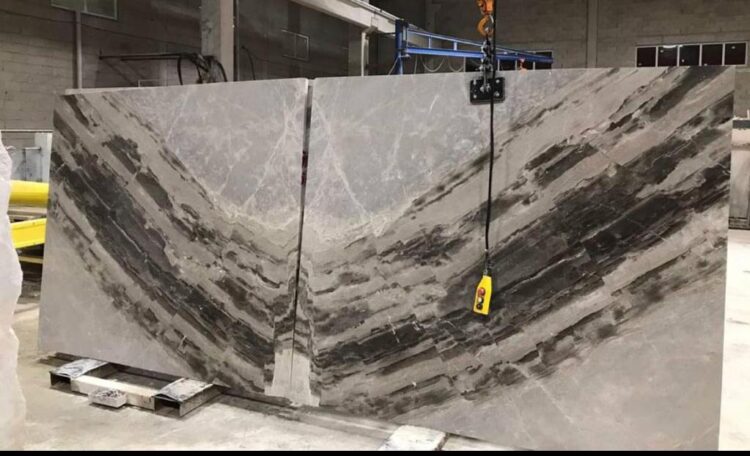
The large panels with black and red veins are Dokimeion Pavonazzetto marble from Iscehisar in the Afyonkarahisar province of Turkey. This marble was widely used in Hagia Sophia as a luxury material. The columns supporting the Sultan’s Box in the nineteenth century were also made of this marble. The black and white “petit antique” Celticum marble from the French Hautes-Pyrénées region is the only Western European marble known in Constantinople. There is also green-gray cippolino marble, but a panel in poor condition, made of plaster painted in the nineteenth century.
Large bands of golden onyx from the Pamukkale region and more panels of red-veined Pavonazzetto marble also feature in the decoration of these buildings. Pamukkale was home to the ancient city of Hierapolis. Experts have noted that the variety of onyx stones used there came from different sources. Also, some of the sixth-century onyx panels have been reused. The giallo antico marbles from Tunisia and the Italian giallo d’ Siena are also found in Hagia Sophia, often added in the nineteenth century.
The bands are 6 feet long and were originally arranged in pairs. There were some losses during the reconstruction. In addition, gold bands made of onyx stone, together with red porphyry panels, contribute to the rich pavements of Hagia Sophia. Proconnesian marble was used throughout the Hagia Sophia as flooring, columns and architectural elements. Production of this marble is thought to have ceased in the seventh century.
Different panels are shown in the West Gallery. The figures in the Burgundy marble pavement bear traces of the Byzantine period. Some panels were positioned at a certain height to be kissed by pilgrims. There are also examples of ancient writing on the pavement of Hagia Sophia. In addition, marble panels with a rich design attract attention, especially in the apse area. The marble slabs here are usually made of Prokonnesos marble.
Various stones and colors are combined in the design of the marbles. Hagia Sophia’s cladding is enriched with luxurious materials of high aesthetic value. Highlights include jeweled crosses and finely crafted details. It is often emphasized that these panels need to be restored and cleaned. Hagia Sophia carries the religious and architectural richness of the past to the present.




 +90 532 585 51 95
 +90 532 585 51 95