





In the history of architecture, stone is not merely a building material; it is a surface that embodies humanity’s quest for meaning, its relationship with time, and its desire to leave a mark on the world. Structures emerging across different regions demonstrate how stone is used as an intellectual tool, transcending its physical presence.
From the moment of its existence, humanity has been a being in search of meaning. This quest is not only an intellectual or metaphysical process but also a concrete experience manifested on an abstract plane through space, material, and habitat. Stone, meanwhile, emerges as one of the oldest and most enduring witnesses to this quest. It is neither entirely organic nor a passive backdrop. It resists human intervention, yet simultaneously gains meaning through it. For this reason, in the history of architecture, stone is not merely a structural element but also a tool of thought that bears the weight of existence.
The philosophy of stone lies in its relationship with time. Through its permanence, it accumulates the past and the present on the same surface. When humans intervene on this surface, they do not merely produce a form; they also carve their own existence, emotions, beliefs, and desire for infinity into this hard ground. For this reason, the relationship established with stone always takes precedence over function. What is most decisive is the desire to leave a mark on the world.
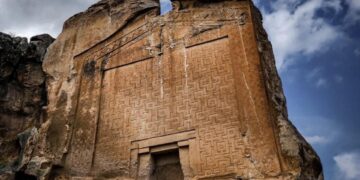
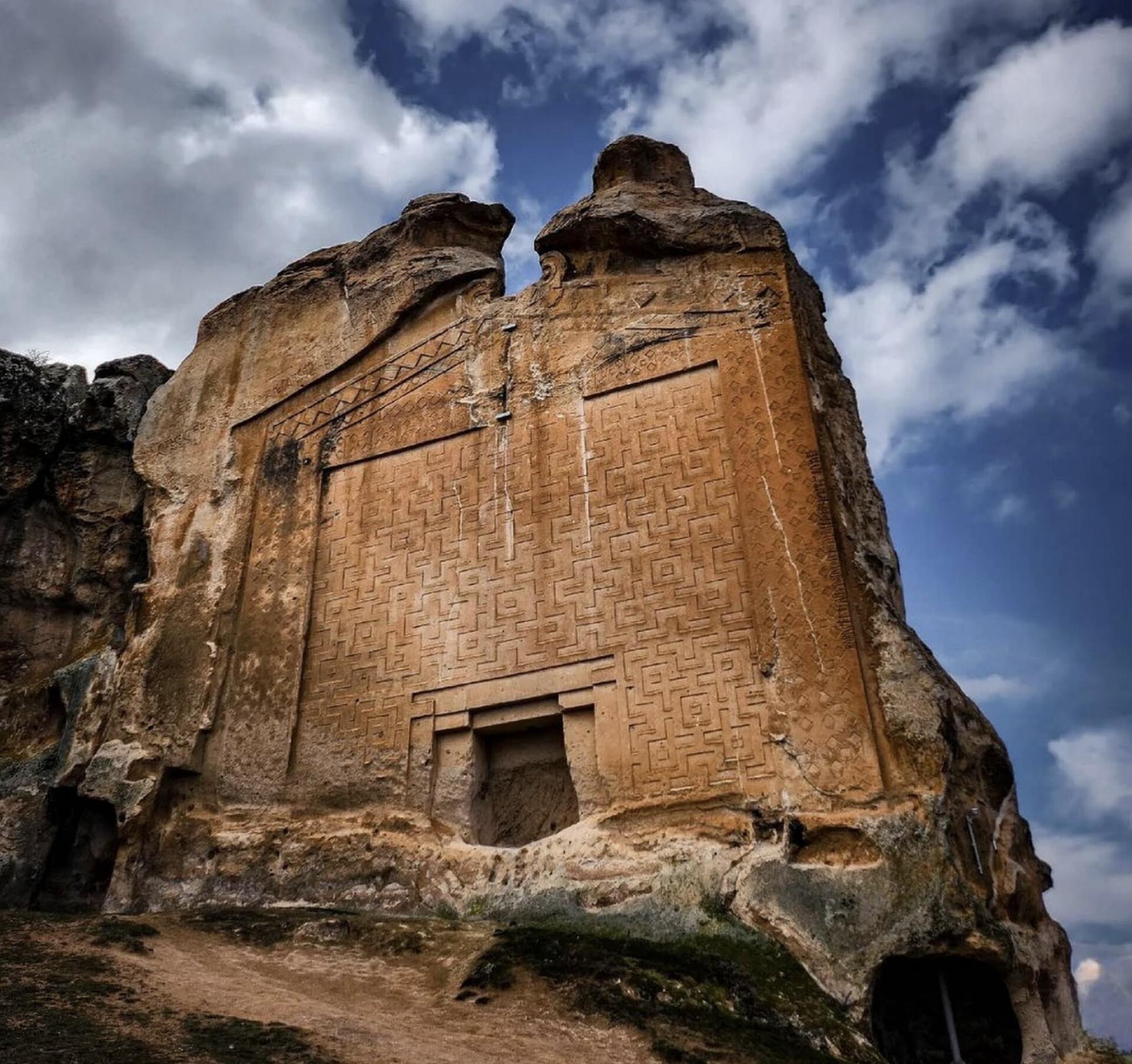
One example from the geography of Turkey, the Phrygian Midas Monument, offers an approach that does not create an interior space but focuses solely on the surface. Here, stone functions less as a volume to enter and more as a plane of meaning to confront. The absence of space leaves the observer face-to-face with thought. This approach reverses the conventional reflex in architecture to produce space. The structure ceases to be something one inhabits; it becomes a situation one encounters.
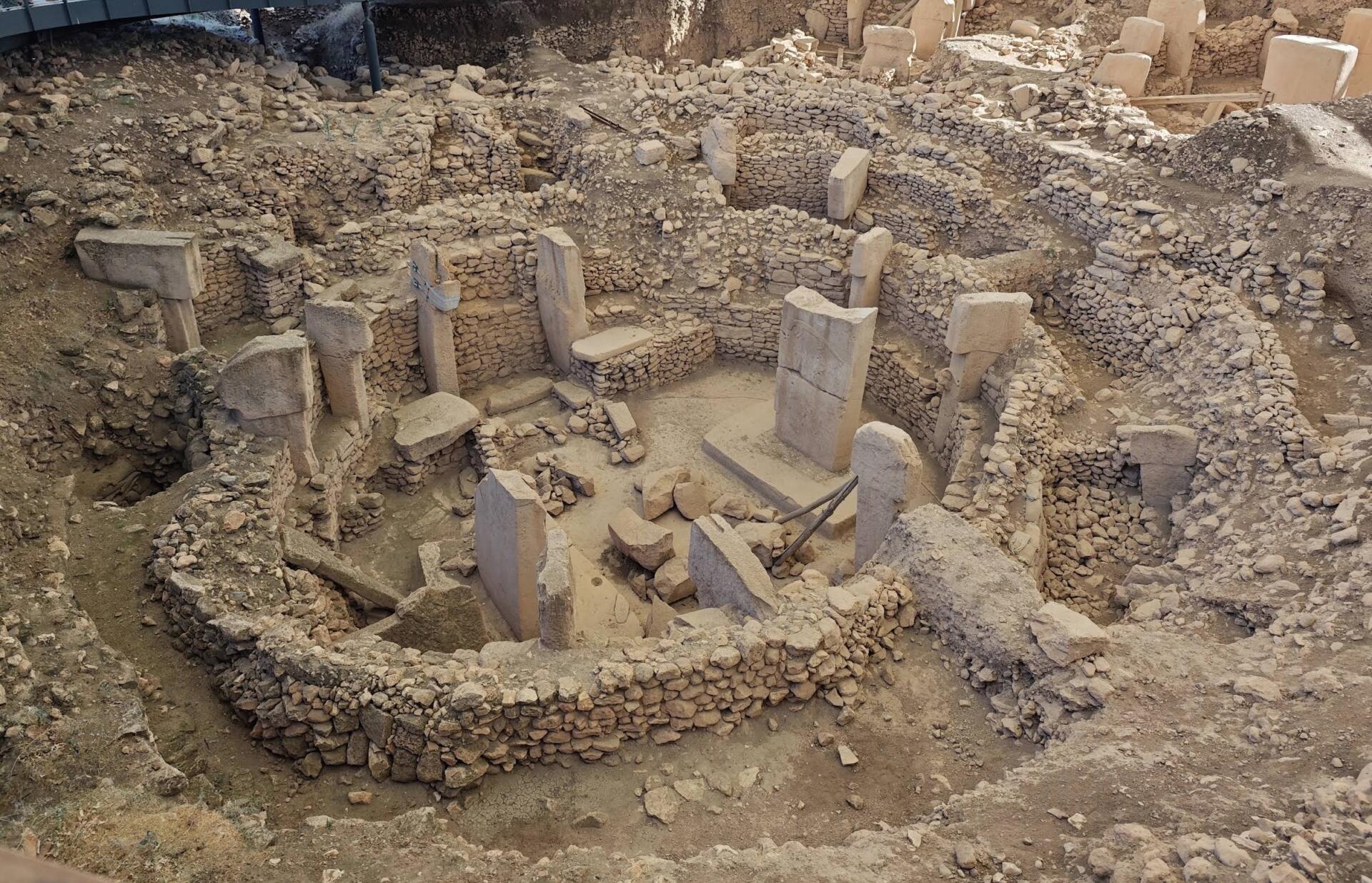
Another example, Göbekli Tepe, presents a structure where stone serves no purpose of shelter, but is entirely ritual-focused. These standing stones, built before settled life had even begun, demonstrate that humans first felt a need to believe and make sense of things. Here, stone is not merely a tool that organizes life, but one that defines it. This situation also raises a crucial question regarding the origins of architecture: Did humans build first to shelter, or to create meaning?
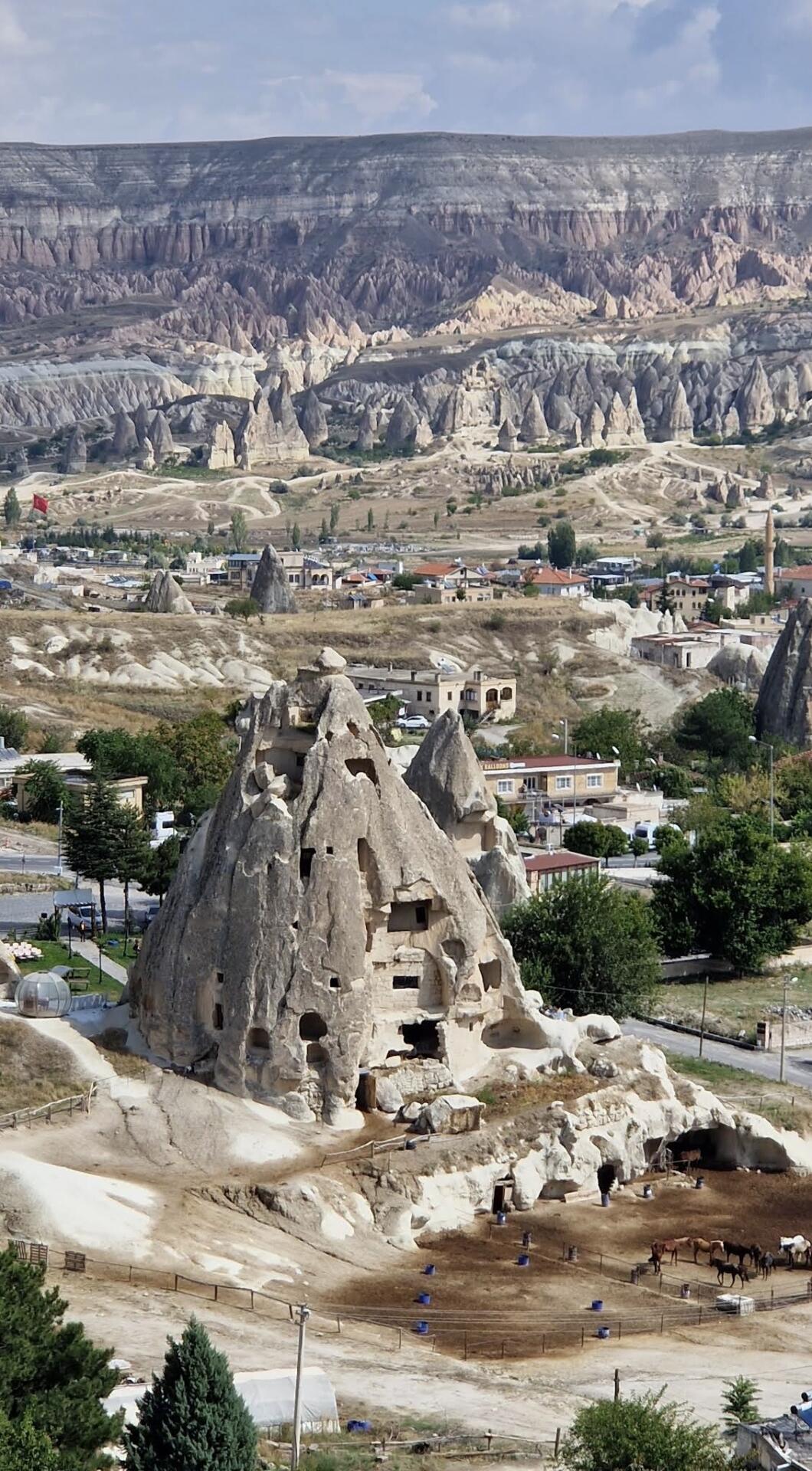
Cappadocia, with its well-known rock-carved architectural style, is an example where the relationship with stone is inverted. Here, architecture is established not by adding stone, but by removing it. The aim is to reveal the space. This approach demonstrates that emptiness is a design element as powerful as mass. The absence of stone actually transforms into the space itself.
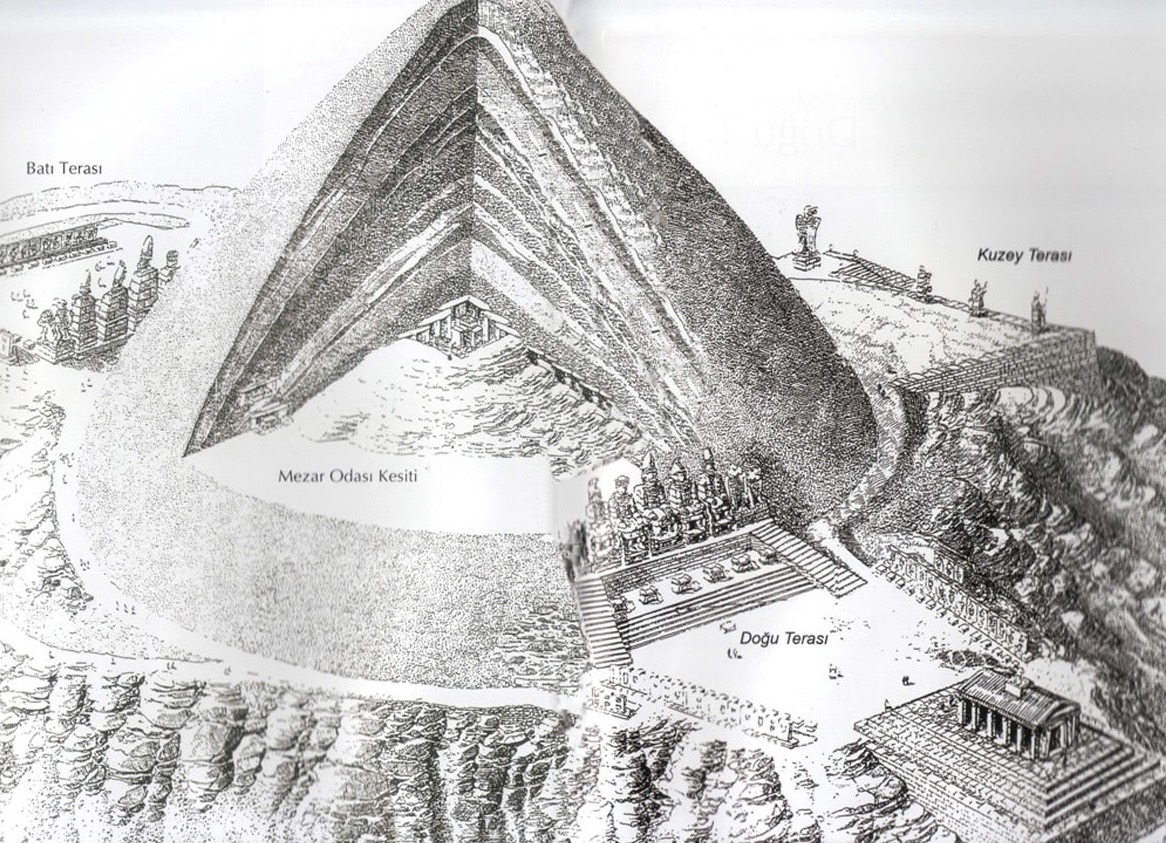
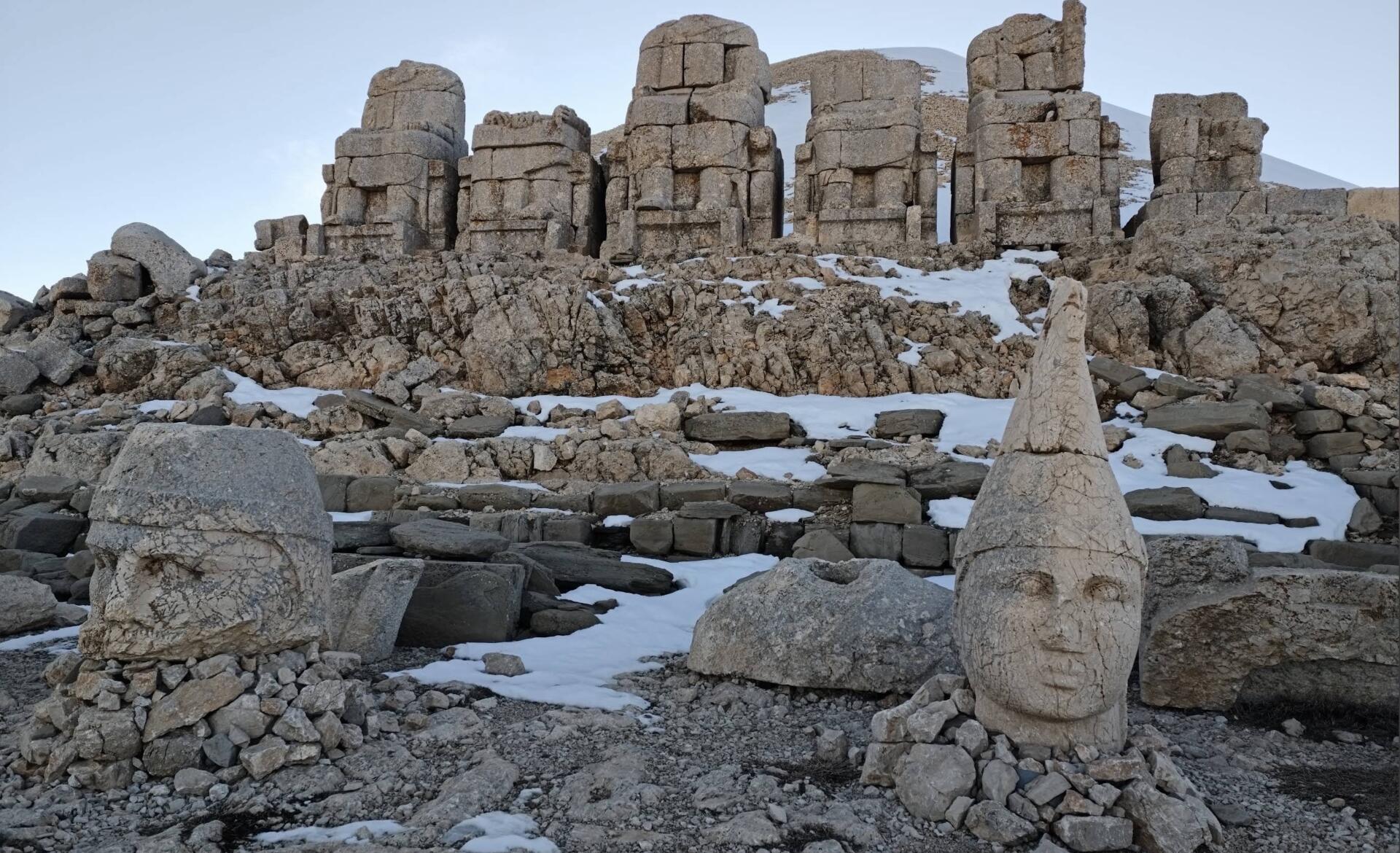
On Mount Nemrut, stone becomes a symbol of power and the desire for immortality. The placement of colossal statues on the mountain’s summit makes visible humanity’s effort to transcend time. The stone on this mountain has never been conceived merely as a material; rather, it has embodied power and permanence in a material sense as the focal point.
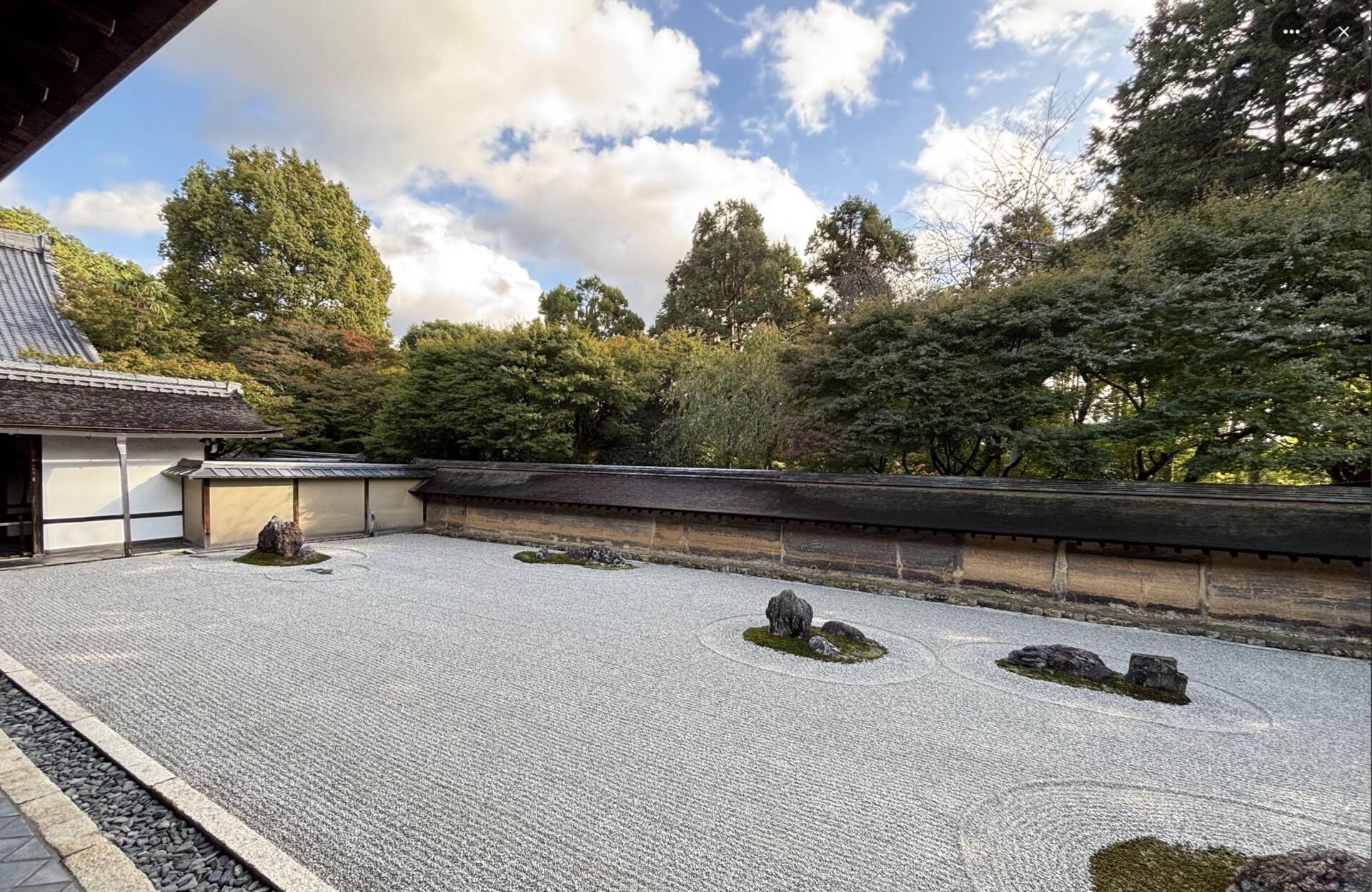
One of the world’s notable examples is the Ryōan-ji Temple in Japan, which emphasizes the perceptual impact of stone rather than its physical presence. The 15 stones in the Square Sansui Garden are positioned on a bed of white gravel. The gravel represents water, while the stones symbolize islands or mountains. However, the true power of this composition lies in what is unseen: no matter the angle from which the garden is viewed, all the stones cannot be seen at the same time.
The concept of “ma”, defined in Japanese aesthetics as “empty space”, is decisive here. Empty space is not merely absence; it is the space where meaning is constructed. Surfaces that develop moss over time, in conjunction with the “wabi-sabi” philosophy, reveal transience and the beauty of imperfection. Thus, the space transforms from a physical garden into a mental landscape.
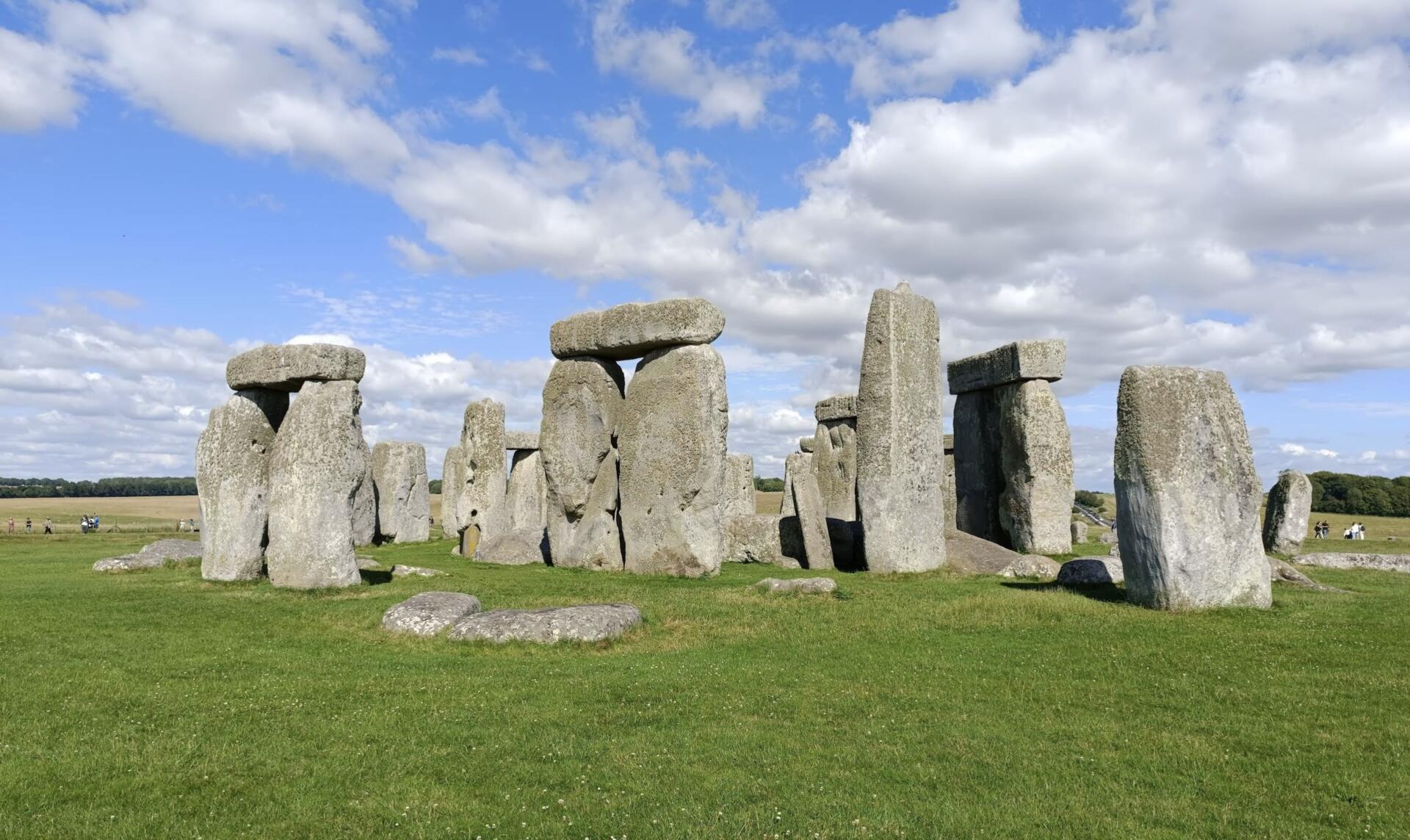
One of the representatives of the cosmic relationships stones establish with the sky is Stonehenge in England. It demonstrates that stone is not merely a material of the earth but also a part of the relationship established with the sky. This prehistoric structure in England consists of massive stone blocks arranged according to specific astronomical alignments. Its precise relationship with the solstices reveals that the structure serves a physical, calendrical, and ritual function.
Unlike other examples, Stonehenge constructs space not inward but upward. In this regard, it also demonstrates that in the production of meaning through stone, one can work not only with surface, void, or mass but also with orientation and alignment.
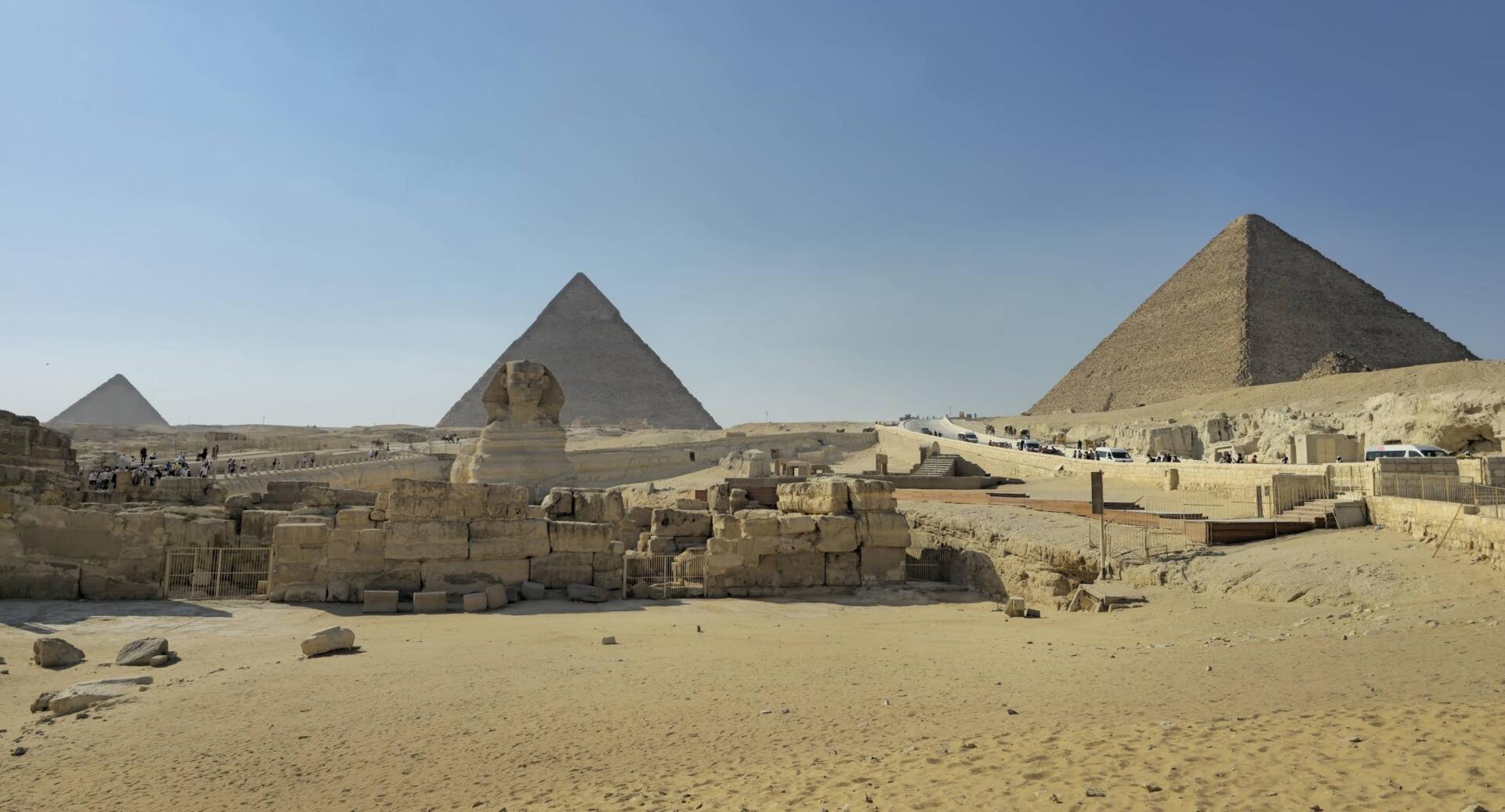
The Great Pyramid of Giza, whose philosophical essence lies in the ordering of infinity and death, is one of ancient Egypt’s characteristic structures. This structure is akin to an attempt to accept human mortality and transcend it through architecture. The flawless geometry of the stones signifies not a chaotic end but a mathematical continuity. Here, architecture transcends the role of a “tomb,” transforming into a form of thought that translates the concept of death into engineering.
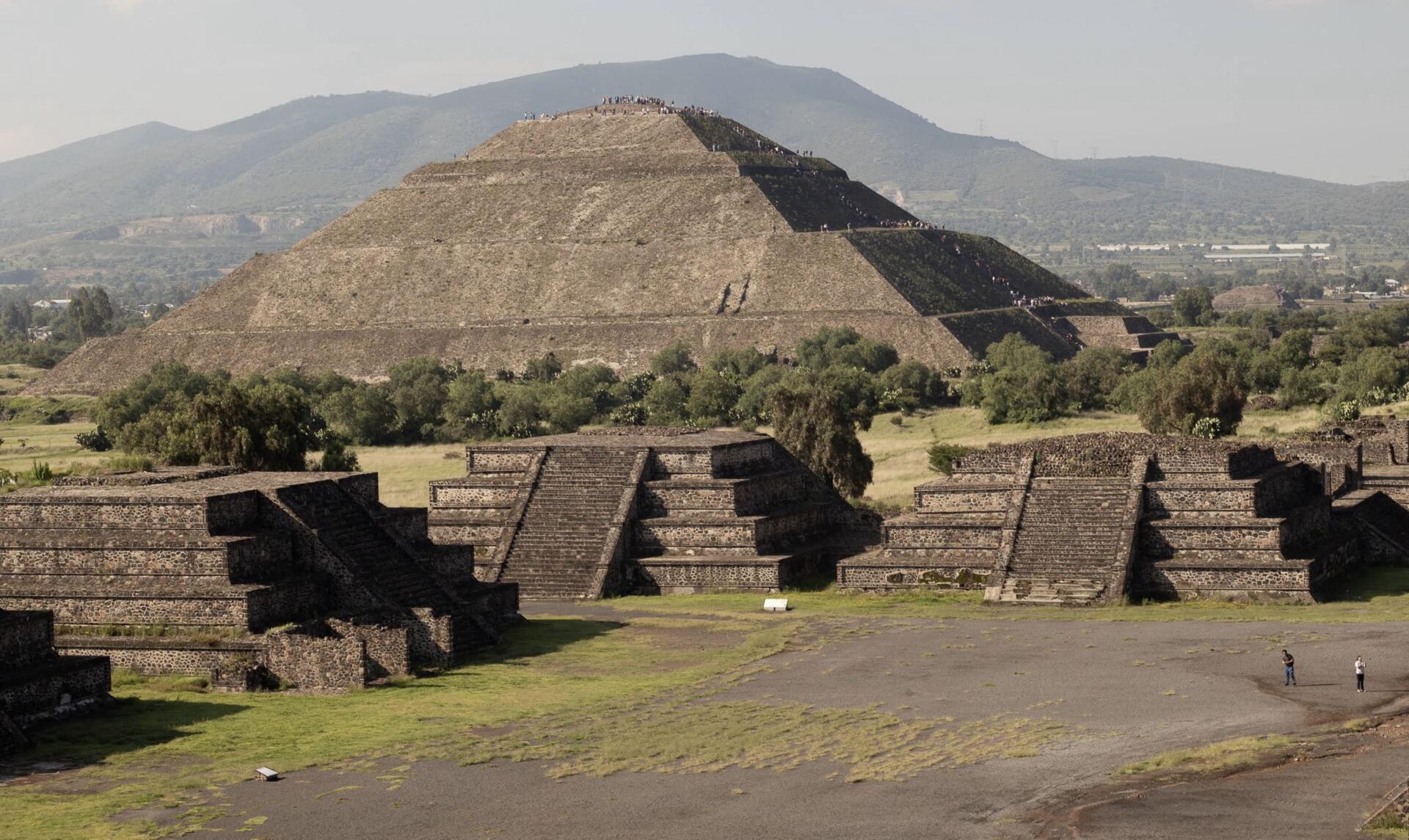
Teotihuacan, located in Mexico, represents the replication of the universe as a city. This city is not a plan of the world humans inhabit, but of the universe they believe in. The Sun and Moon pyramids are not merely structures but the petrified diagrams of the cosmic order. Here, architecture can be linked to humanity’s attempt to reconstruct the universe while striving to understand it.
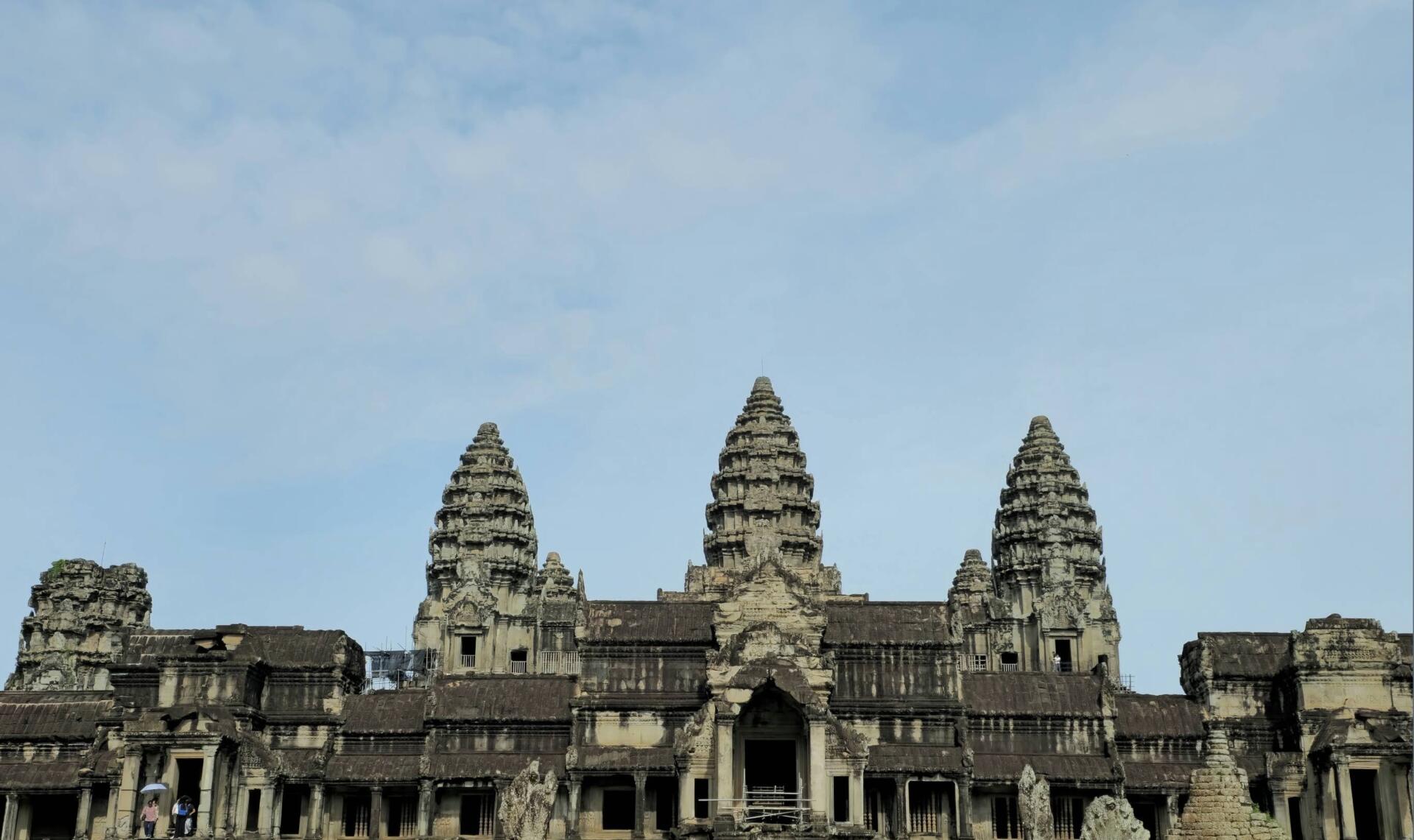
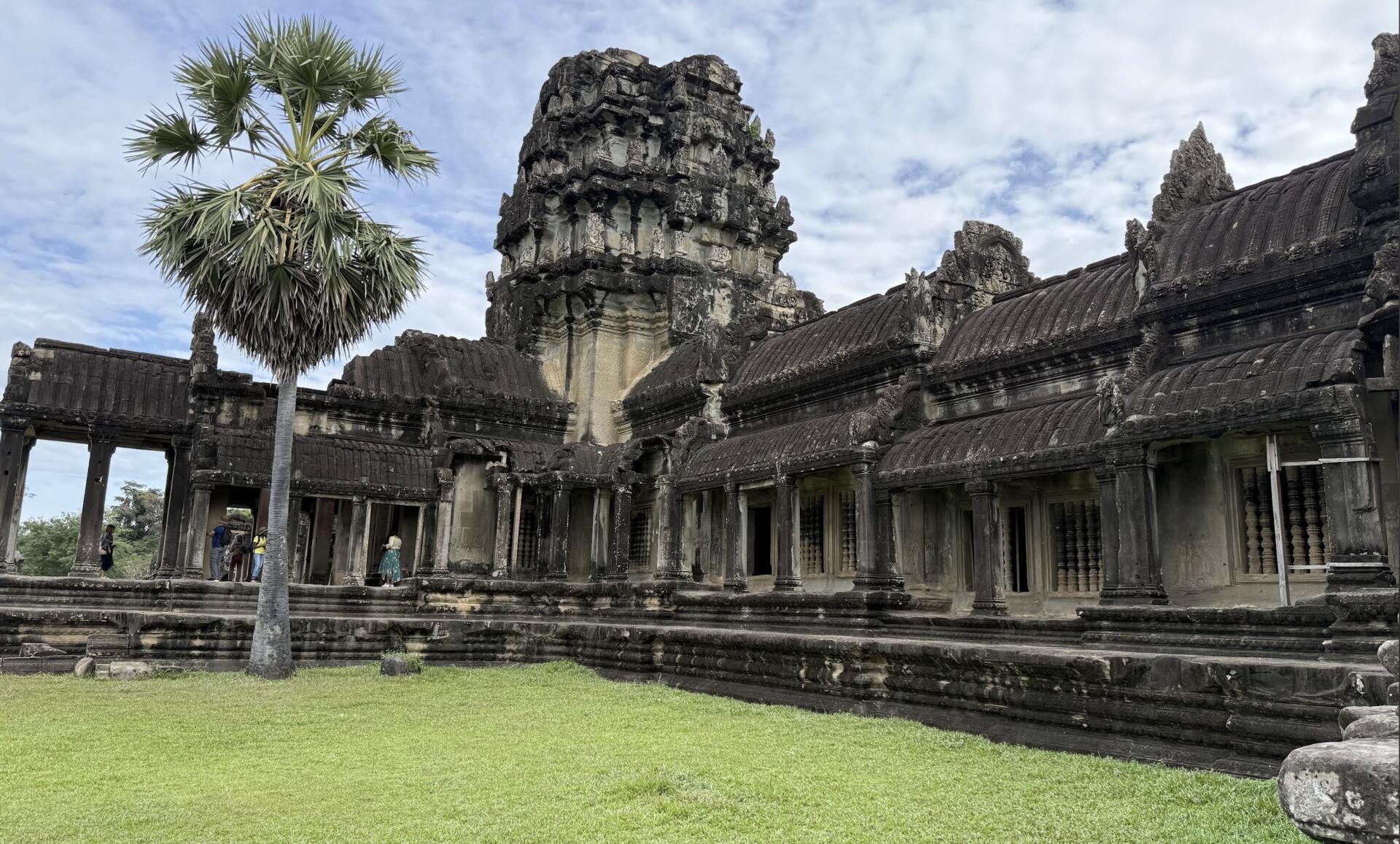
Angkor Wat, the temple city of Cambodia, aims to reduce the universe to an architectural model. The temple is less a place of worship than a map of cosmology. Mountains, oceans, and divine centers are represented in stone. Here, the structure aims not to carry the faith but to transform the faith itself into a space.
While all these examples demonstrate that stone acquires different meanings across various geographies within the context of the tension between stone and humanity and philosophical approaches, they ultimately converge at a common point: Stone is the surface where humanity’s relationship with the world is most intensely concentrated. At times it emerges as a faith, at times as a display of power, and at times as a space of silence. Yet in every instance, the tension between the stone’s resilience and humanity’s quest for meaning gives rise to one of architecture’s most fundamental questions: How does humanity carve out a place for itself within the enduring?
Written By: Meltem Gürsoy / Interior Architect





 +90 532 585 51 95
 +90 532 585 51 95